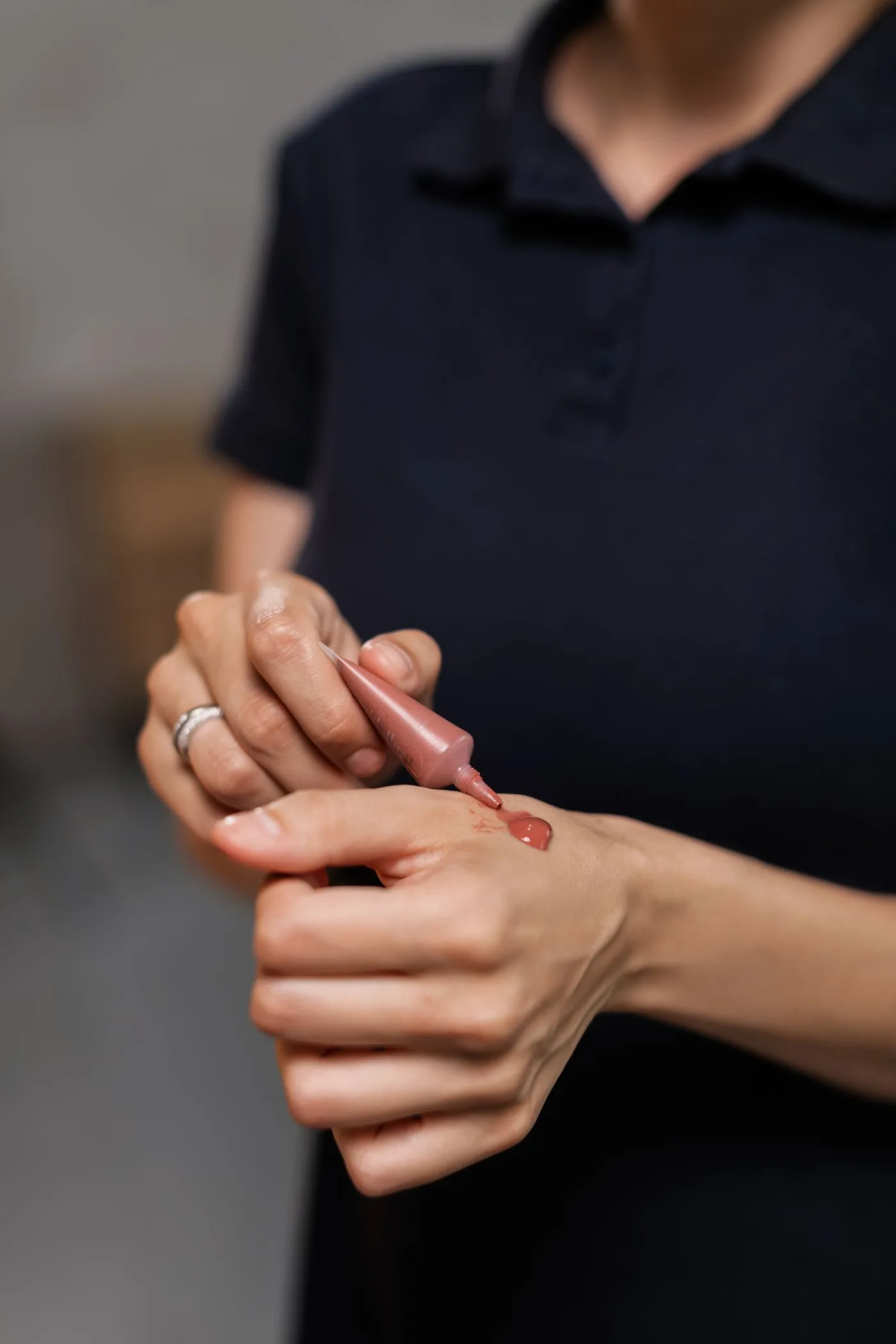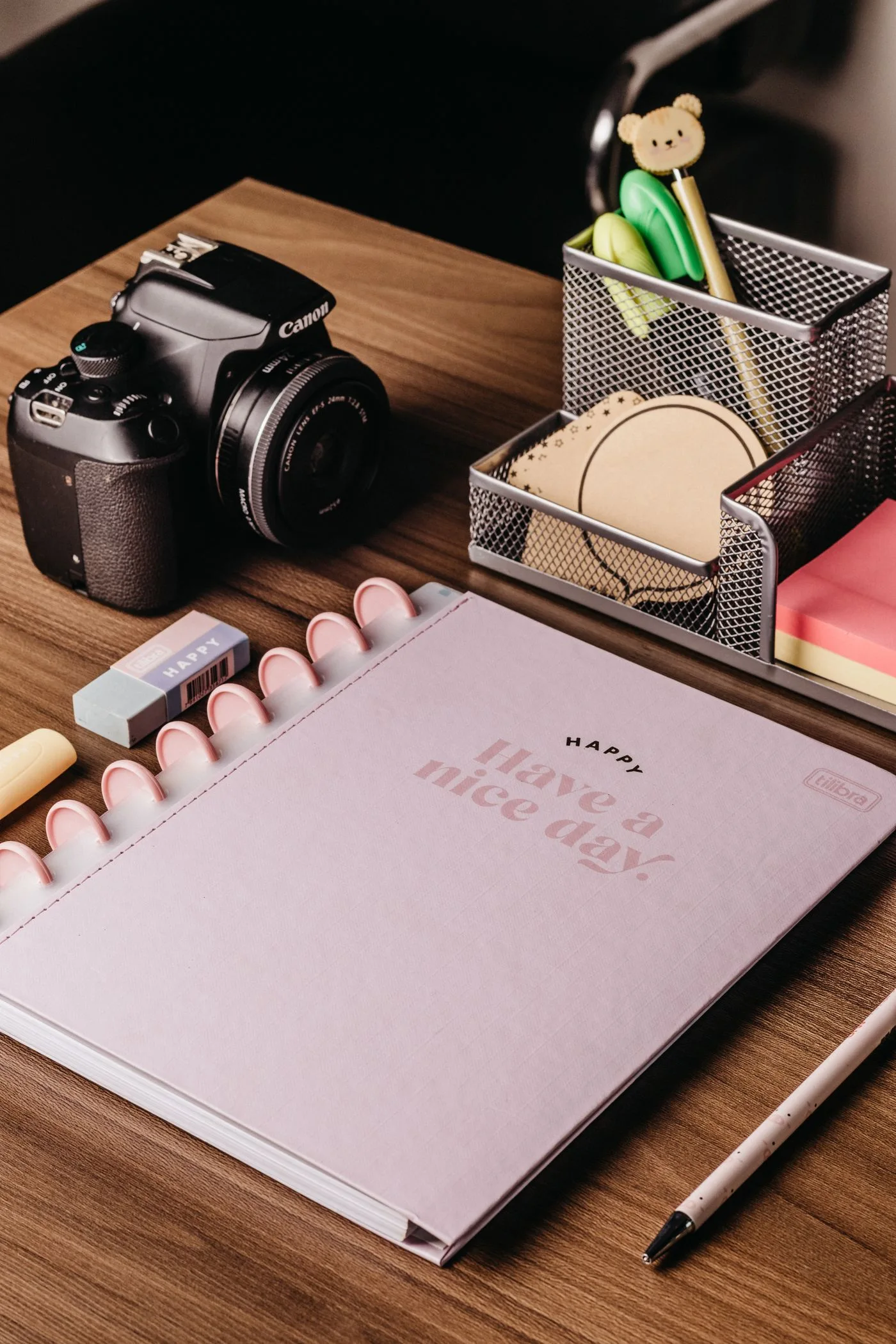
A short shot list helps you capture the photographs needed during a working day without interrupting the entire operation for an improvised photo session. Start with the information the pictures will need to communicate.
Move from content to subject
Record intended uses: a service page, an explanation of a working step or a presentation of a finished object. Then describe the required photograph. “Detail of the joint before it is closed” is clearer than “some workshop pictures.”
Consider both context and detail. An overview establishes the setting; a closer image reveals the important characteristic. Not every subject needs both. A photograph should add information that genuinely belongs in the intended text.
Note whether the picture will need room for cropping. A wide photograph may lose essential details on a phone. For important subjects, also take a version in which the object is clearly visible near the centre without distracting edges.
Respect the working process
Agree beforehand when photography is appropriate. Some steps remain visible only briefly; others cannot safely be interrupted. Assign one person to the camera so nobody has to perform a risky task and record it simultaneously.
Inspect the background before each shot. Customer names, shipping labels, screens and private possessions can appear unintentionally. Resolve necessary permissions before publishing people or customer projects. Possessing a photograph does not automatically mean it can be used for every purpose.
Check the pictures while still on site
Zoom in briefly to inspect sharpness and important details. Blurred lettering may look acceptable on a small camera display. Taking another photograph on site is usually easier than arranging a replacement visit.
Connect selected files with their intended content. Store originals separately from cropped exports and record the permitted uses. A descriptive filename saves searching later.
Remove subjects that no longer have a concrete use. The list should produce targeted photographs, not the largest possible collection. After the first attempt, note which perspective was missing and which image consumed unnecessary working time. Those observations make the next list more realistic and help photography support the work rather than repeatedly disrupting it.