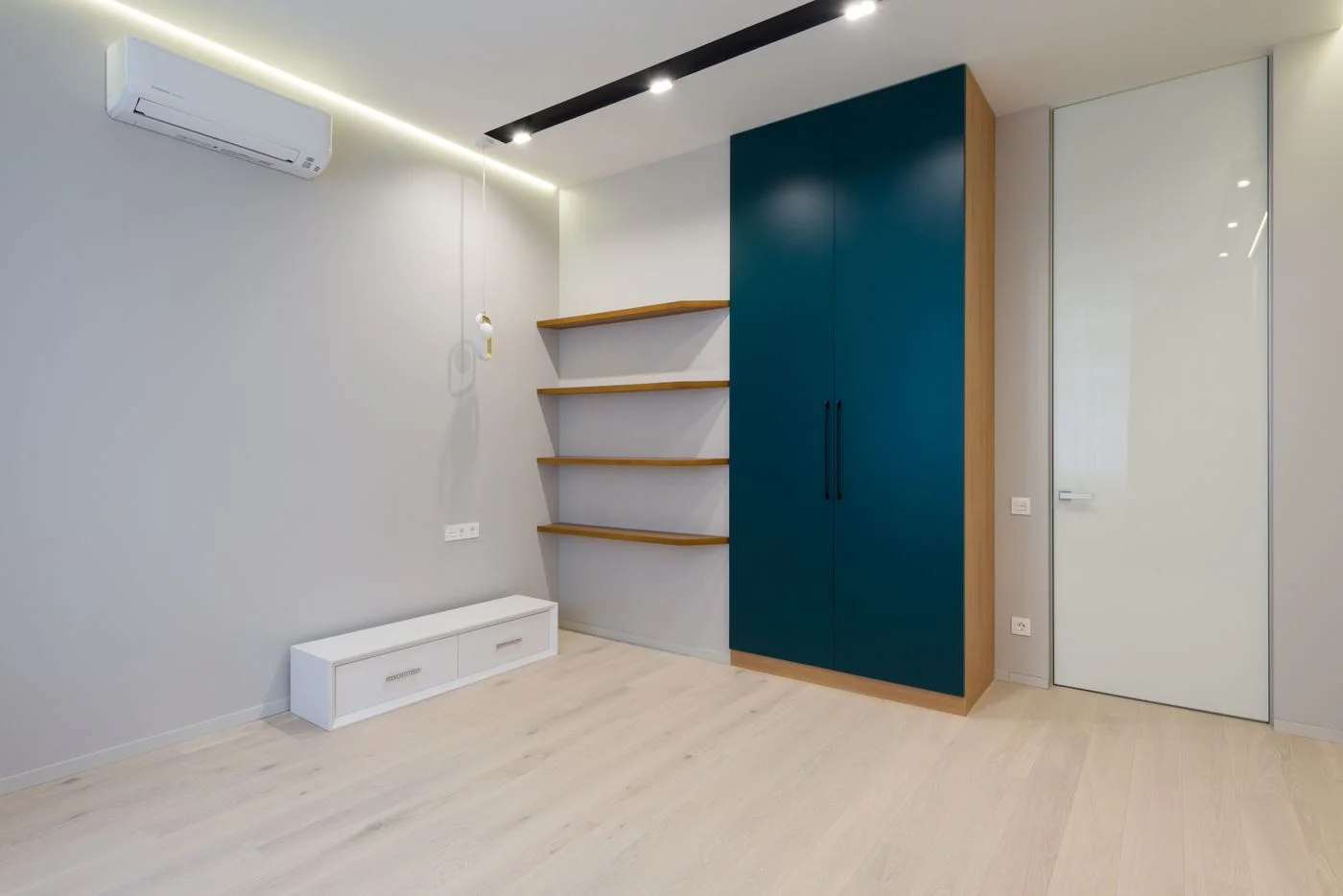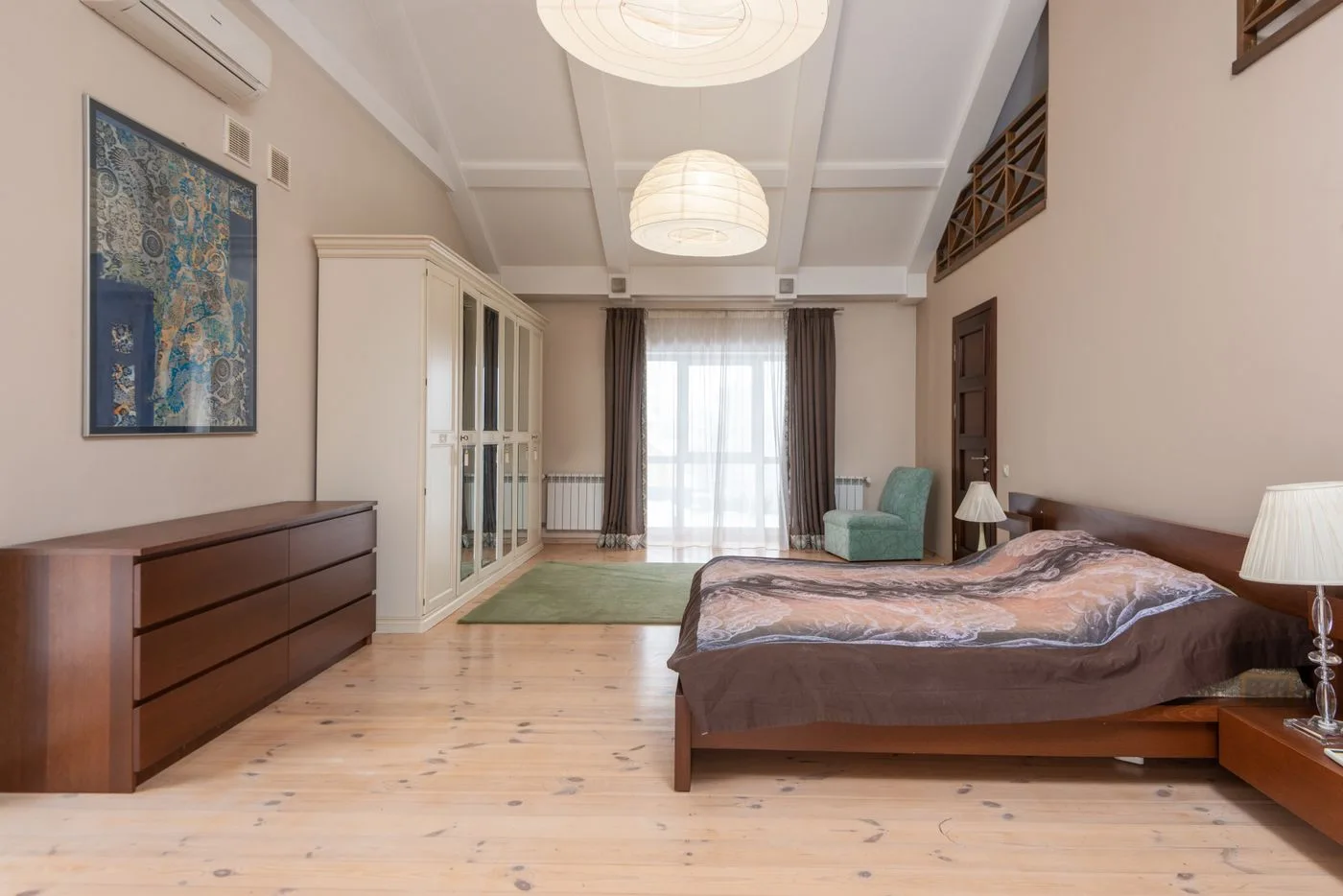
A project gallery initially shows only what something looks like. Visitors need context to understand the work behind the photograph. In a renovated room, for example, they cannot tell whether the business fitted the floor or managed the entire refurbishment.
Do not select only the most dramatic pictures. A modest detail can explain a particular requirement better than a wide room view. The question is which part of the service the image demonstrates and whether you have permission to publish it.
Add three useful pieces of context
Describe the starting situation, your scope of work and one relevant decision. For a staircase, the starting point might be a worn finish. The work might involve sanding and surface treatment. The decision could concern a finish suited to the existing timber. These details convey more than calling the job a successful project.
Identify other businesses' contributions when omitting them would misrepresent your role. A completed room often contains work by several trades. The gallery does not need to document every contributor, but it should accurately describe the part your business performed.
Results also need boundaries. A photograph can show the finished surface but cannot prove its long-term durability. Claims about measured improvements require the actual measurement and comparison. Leave out figures that were not documented.
Select for relevance rather than completeness
Organize examples around a distinction that helps visitors: work type, material or the original problem. A chronological collection can be appropriate, but it does not always help someone find a comparable project. A few explained examples are often easier to use than a large set of uncaptioned photographs.
Watch for repetition. Ten similar views of one room may look extensive while communicating only one thing. A detail photograph showing a difficult junction or important finish may add more value. Its caption should identify that particular feature rather than repeat the page title.
Before publication, check permissions and look for names, house numbers or personal possessions. Crop or replace problematic photographs. An anonymized project can remain informative when the material and task are still visible. Do not invent a customer quotation to make an otherwise anonymous example feel more personal.
Connect an example to the relevant service description. There, visitors can find out whether similar work is available and what information an enquiry requires. This gives the gallery a useful next step without attaching the same sales instruction to every photograph. Review older examples when the business stops offering a material or process so that the collection does not imply unavailable services.